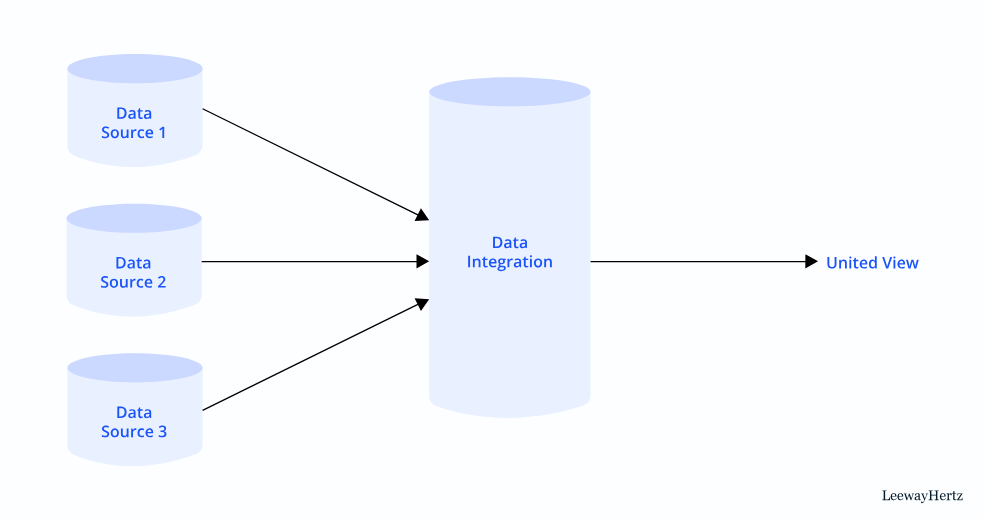
In the age of data abundance, enterprises grapple with the formidable task of unifying and harnessing the potential of disparate data sources. Data integration, the process of merging, harmonizing, and managing diverse datasets, emerges as a critical challenge for organizations striving to derive meaningful insights and drive informed decision-making. This comprehensive guide unravels the complexities and explores the multifaceted reasons why data integration poses a significant challenge for enterprises.
Diverse Data Sources and Formats
Enterprises accumulate data from various sources—legacy systems, cloud platforms, IoT devices, social media, and more—each with its own format, structure, and semantics. Integrating these diverse data sources, often in different languages or encoding standards, presents a significant hurdle. Incompatible data formats, inconsistent schemas, and varying data quality impede seamless integration and necessitate complex transformation processes.
Data Quality and Consistency
Ensuring data quality and consistency across disparate sources remains a persistent challenge. Inaccuracies, redundancies, missing values, or outdated information hinder the reliability and trustworthiness of integrated datasets. Maintaining data integrity during the integration process is paramount, requiring extensive data cleansing, validation, and enrichment efforts that demand time, resources, and specialized expertise.
Technical Complexity and Compatibility
The technical landscape within enterprises is characterized by a multitude of systems, applications, and platforms, often developed and deployed independently. Integrating these disparate systems, each with its own architecture, APIs, or data storage mechanisms, poses compatibility challenges. Legacy systems with outdated technologies further exacerbate complexities, necessitating compatibility bridges or middleware solutions for seamless integration.
Real-Time Data Integration and Latency
In today’s dynamic business environment, the demand for real-time insights and immediate access to data is ever-increasing. However, integrating data in real-time, especially across diverse sources with varying update frequencies and processing speeds, poses a challenge. Ensuring low latency, continuous synchronization, and efficient data streaming become imperative for meeting real-time integration needs.
Data Security and Privacy Concerns
The integration of data from multiple sources raises concerns about data security, privacy, and compliance with regulations such as GDPR or HIPAA. Combining sensitive information from various sources heightens the risk of unauthorized access, data breaches, or non-compliance. Safeguarding data during the integration process requires robust encryption, access controls, and adherence to stringent security protocols.
Cost and Resource Intensiveness
Data integration initiatives demand significant financial investments and resource allocation. The complexity of integration processes, the need for specialized skills, and the deployment of integration tools or platforms contribute to the overall cost. Moreover, the continuous maintenance, upgrades, and scalability requirements further amplify the cost and resource intensiveness of data integration endeavors.
Evolving Data Governance and Standards
The evolving landscape of data governance, regulatory standards, and compliance frameworks poses additional challenges for enterprises. Adhering to changing regulations, ensuring ethical data usage, and maintaining alignment with evolving standards necessitate continuous vigilance and adaptation of data integration strategies.
Overcoming Data Integration Challenges
- Holistic Strategy: Develop a comprehensive data integration strategy aligned with business objectives, encompassing data governance, quality assurance, and technological alignment.
- Unified Data Architecture: Design an overarching architecture that accommodates diverse data sources, formats, and standards while ensuring interoperability and scalability.
- Robust Data Governance: Implement stringent data governance frameworks and compliance measures to ensure data security, privacy, and regulatory adherence throughout the integration process.
- Advanced Integration Technologies: Leverage advanced integration tools, AI-driven techniques, and automation to streamline processes, enhance accuracy, and mitigate complexities.
- Cross-Functional Collaboration: Foster collaboration between IT, data governance teams, business units, and stakeholders to ensure alignment, shared goals, and effective communication throughout the integration journey.
The Importance of Overcoming Data Integration Challenges
Effectively addressing data integration challenges holds immense importance for enterprises:
- Informed Decision-Making: Access to integrated, accurate, and timely data empowers organizations to make informed decisions, driving efficiency and innovation.
- Operational Efficiency: Streamlining data integration processes improves operational efficiency, facilitates cross-departmental collaboration, and enhances agility.
- Customer Experience: Unified and reliable data enables personalized experiences, improving customer satisfaction and loyalty.
- Regulatory Compliance and Risk Mitigation: Adherence to data governance standards mitigates risks, ensures compliance, and safeguards against potential legal or reputational consequences.
Conclusion
Data integration stands as a formidable challenge for enterprises navigating a complex and dynamic data landscape. Overcoming these challenges demands a strategic approach, technological prowess, and a commitment to ensuring data accuracy, security, and usability. As organizations continue to recognize data as a strategic asset, addressing the complexities of data integration becomes pivotal in unlocking the true potential of disparate data sources, driving innovation, and maintaining a competitive edge in the digital age.

 Jasper's Video Blog
Leave a comment