In the realm of blockchain technology, the choice of development platform serves as the bedrock for creating innovative solutions that redefine industries and revolutionize processes. Blockchain development platforms offer a diverse array of tools, frameworks, and environments to build decentralized applications (dApps), smart contracts, and custom blockchain networks. In this comprehensive guide, we delve into the intricacies of various blockchain development platforms, their features, and the impact they have on shaping the future of decentralized solutions.
Understanding Blockchain Development Platforms
Blockchain development platforms provide developers with the necessary tools and infrastructure to design, deploy, and manage blockchain-based applications and networks. These platforms typically offer a range of functionalities, including smart contract creation, consensus mechanisms, scalability solutions, and interoperability features.
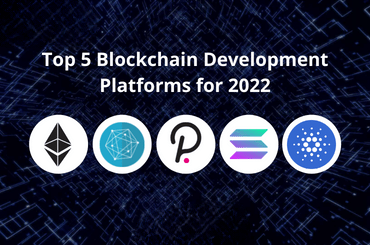
Key Blockchain Development Platforms
- Ethereum: Renowned as one of the pioneering platforms, Ethereum introduced the concept of smart contracts and decentralized applications. Its flexibility, robust developer community, and support for Solidity programming language make it a preferred choice for many blockchain projects.
- Hyperledger Fabric: An enterprise-grade permissioned blockchain framework, Hyperledger Fabric focuses on scalability, privacy, and modularity. It allows for custom consensus protocols, private transactions, and granular permission controls suitable for business applications.
- Ripple: Primarily designed for financial institutions, Ripple offers a global payment network for real-time cross-border transactions. Its consensus algorithm (XRP Ledger) and payment protocol streamline international payments.
- Corda: Catering to enterprise-level applications, Corda emphasizes privacy and scalability. Its focus on facilitating direct transactions between businesses and regulatory compliance makes it popular in industries like finance and healthcare.
- Stellar: Similar to Ripple, Stellar is a payment network designed for fast and low-cost cross-border transactions. It aims to connect financial institutions, payment systems, and individuals, promoting financial inclusion.
Features and Capabilities of Blockchain Development Platforms
- Smart Contract Functionality: Most platforms support the creation and deployment of smart contracts, enabling automated and trustless execution of predefined agreements.
- Consensus Mechanisms: Platforms offer various consensus algorithms such as Proof of Work (PoW), Proof of Stake (PoS), Practical Byzantine Fault Tolerance (PBFT), among others, each with its unique advantages.
- Scalability Solutions: Addressing scalability challenges is crucial for widespread blockchain adoption. Platforms employ different methods like sharding, sidechains, or layer-2 solutions to improve transaction throughput.
- Interoperability: Some platforms focus on interoperability, allowing seamless communication and interaction between different blockchains, enhancing their utility and versatility.
- Developer Tools and Community Support: Robust developer tools, documentation, and a vibrant community of developers contribute to the ease of development and troubleshooting.
Factors Influencing Platform Selection
- Use Case Relevance: The specific requirements and use case of a project often dictate the most suitable platform. Considerations like transaction speed, privacy, and industry focus play a crucial role.
- Scalability and Throughput: Projects with high transaction volumes require platforms that can handle scalability challenges without compromising performance.
- Security Measures: Assess the platform’s security protocols, auditability, and track record to ensure the safety of transactions and data.
- Community and Support: Platforms with active communities, extensive documentation, and robust support mechanisms can facilitate smoother development processes.
- Regulatory Compliance: For applications in regulated industries, adherence to regulatory frameworks is essential. Some platforms offer features to facilitate compliance.
The Impact of Blockchain Development Platforms
Blockchain development platforms serve as catalysts for innovation, driving the adoption and evolution of decentralized technologies. Their versatility and capabilities empower developers and businesses to explore new frontiers, revolutionize existing processes, and create disruptive solutions across industries.
Conclusion
The landscape of blockchain development platforms continues to evolve, offering a diverse array of options catering to varying project requirements and industry needs. Selecting the right platform involves a meticulous assessment of technical capabilities, scalability, security, and alignment with the project’s objectives.
As the demand for decentralized solutions grows, the significance of blockchain development platforms in shaping the future of technology cannot be overstated. These platforms stand as pillars of innovation, providing the foundation for transformative applications that redefine how industries operate, exchange value, and collaborate in an increasingly interconnected world.

 Jasper's Video Blog
Leave a comment