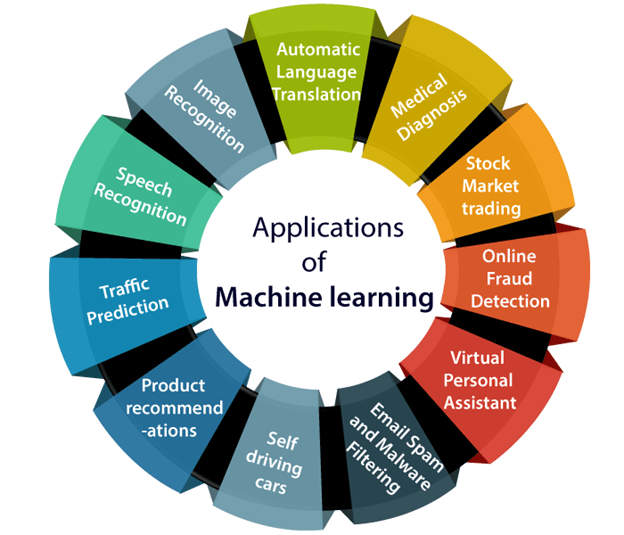
Machine learning has revolutionized the way we interact with technology. From recommendation systems to virtual personal assistants, machine learning applications have become an integral part of our daily lives. If you’ve ever wanted to build your own machine learning app, you’re in the right place. In this article, we’ll walk you through the essential steps to create your own machine learning app.
1. Define Your Problem and Objective
The first step in building a machine learning app is to clearly define the problem you want to solve and set specific objectives. Ask yourself what the app is supposed to achieve. Are you building a spam email classifier or a sentiment analysis tool for social media posts? Having a well-defined problem and objective will guide your entire development process.
2. Collect and Prepare Data
Machine learning models are data-hungry, so the next step is to gather and prepare the necessary data. This may involve web scraping, data acquisition from APIs, or using existing datasets. Data cleaning and preprocessing are crucial to ensure the quality and suitability of your data for training your model.
3. Choose the Right Algorithm
Selecting the appropriate machine learning algorithm is a critical decision. Your choice depends on the nature of your problem, whether it’s a classification, regression, clustering, or other types of tasks. Popular machine learning algorithms include decision trees, support vector machines, and neural networks. Experiment with different algorithms to find the one that works best for your specific problem.
4. Train Your Model
With your data and algorithm in place, it’s time to train your machine learning model. This involves splitting your dataset into a training set and a testing set, using the former to train the model and the latter to evaluate its performance. Fine-tune hyperparameters and adjust the model as needed to achieve the desired level of accuracy.
5. Develop the App Interface
Once your machine learning model is trained and performs well, it’s time to create the user interface for your app. Decide whether you want a web-based app, a mobile app, or a desktop application. User experience (UX) and user interface (UI) design are crucial to make your app user-friendly and visually appealing.
6. Integrate the Model with Your App
Now comes the heart of your machine learning app—integrating the trained model into the app’s code. Libraries and frameworks like TensorFlow, PyTorch, or scikit-learn can help with this process. Make sure the app can take user inputs, pass them to the model, and display the results effectively.
7. Test and Refine
Thoroughly test your machine learning app to identify and resolve any bugs or issues. User feedback during this phase is invaluable for making improvements. Continue to refine your model and app to ensure they work seamlessly together and deliver accurate results.
8. Deploy Your App
Once your app is fully tested and refined, it’s time to deploy it for public use. You can host it on a web server, publish it on app stores, or distribute it as a standalone software package. Make sure to set up appropriate security measures to protect user data and ensure the app’s stability in a production environment.
9. Monitor and Maintain
Building a machine learning app is not a one-time effort. Continuous monitoring and maintenance are essential to keep your app running smoothly. Regularly update your model with fresh data to improve its performance over time, and be prepared to address any issues that may arise.
10. Gather User Feedback
Encourage users to provide feedback on your machine learning app. Their insights can help you identify areas for improvement and guide future updates. Additionally, user feedback can be invaluable in making your app more user-centric.
Conclusion
Building a machine learning app can be a challenging but rewarding endeavor. With a clear problem definition, the right data, suitable algorithms, and a user-friendly interface, you can create an app that leverages the power of machine learning to solve real-world problems. Remember that the development process is iterative, and continuous improvement is key to building a successful machine learning app. So, roll up your sleeves, follow these steps, and start turning your machine learning app idea into a reality. Your creation could make a meaningful impact on the world.
To Learn More :- https://www.leewayhertz.com/how-to-build-a-machine-learning-app/

 Jasper's Video Blog
Leave a comment