In the realm of Artificial Intelligence (AI), prompt engineering has emerged as a groundbreaking technique that enables users to interact with AI models in a more efficient and personalized manner. As AI continues to pervade various aspects of our lives, the ability to fine-tune and customize AI behavior has become increasingly important. In this article, we will delve into what prompt engineering is and explore its diverse uses across different fields.
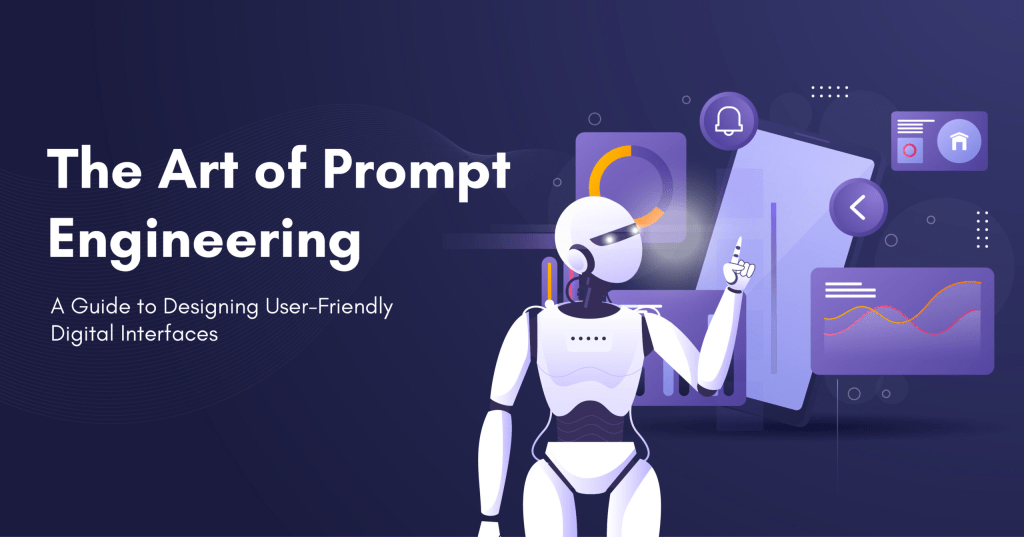
Understanding Prompt Engineering:
Prompt engineering is the process of crafting tailored instructions or queries, known as prompts, to elicit specific responses from AI models. These prompts act as input for AI systems, guiding them to generate desired outputs. The power of prompt engineering lies in its ability to influence AI behavior, allowing users to obtain more accurate, relevant, and context-aware results.
While the concept of prompt engineering is not entirely new, its significance has grown immensely with the rise of large language models, such as OpenAI’s GPT-3 and its successors. These models have demonstrated impressive capabilities in natural language processing, machine translation, content generation, and more. However, they are not flawless, and prompt engineering presents an elegant solution to enhance their performance.
Uses of Prompt Engineering:
- Content Generation and Summarization:
In the realm of content creation, prompt engineering can be employed to instruct AI models to generate articles, essays, or even creative pieces adhering to specific styles, tones, or word counts. Additionally, it can be used for summarization tasks, directing the model to concisely summarize lengthy texts, which is especially valuable for research and information gathering. - Personalized Virtual Assistants:
Prompt engineering enables users to customize AI-powered virtual assistants according to their preferences. Whether it’s fine-tuning the language, setting the assistant’s personality, or tailoring the responses for a specific domain, prompt engineering helps create virtual assistants that feel more relatable and human-like. - Educational Applications:
In the educational landscape, prompt engineering can revolutionize how students interact with AI-powered tools. By providing targeted prompts, educators can steer the AI to generate explanations, answer questions, or provide feedback that aligns with the students’ learning objectives and comprehension levels. - Enhancing Search Engines:
Prompt engineering plays a crucial role in improving the effectiveness of search engines. By formulating precise prompts, users can receive more accurate and relevant search results, as AI models comprehend the context and nuances of their queries better. - Programmatic AI:
For software developers and programmers, prompt engineering can be an invaluable tool. Developers can interact with AI models to generate code snippets, troubleshoot errors, or even seek assistance in designing algorithms by feeding well-crafted prompts. - Creative Writing and Storytelling:
Authors and storytellers can benefit from prompt engineering to collaborate with AI in developing plotlines, characters, and fictional worlds. This symbiotic relationship between human creativity and AI capabilities opens up new possibilities for innovative storytelling. - Personal Productivity:
In day-to-day tasks, AI models can be employed as productivity assistants. By using carefully constructed prompts, users can ask for reminders, scheduling help, or task management assistance, streamlining their work and personal lives.
Challenges and Considerations:
While prompt engineering offers exciting opportunities, it also comes with some challenges. Crafting the right prompts requires a good understanding of the underlying AI model, linguistic nuances, and potential biases. Moreover, there is a risk of AI models “overfitting” to specific prompts, becoming less adaptable to new and diverse inputs.
Ethical considerations are crucial when leveraging prompt engineering. Biased prompts can lead to biased outputs, perpetuating social inequalities and misinformation. Researchers and developers must be vigilant in ensuring that the prompts used are fair, unbiased, and representative of diverse perspectives.
Conclusion:
Prompt engineering has emerged as a powerful and versatile technique to harness the true potential of AI models. From content generation and personalization to educational applications and beyond, its uses span across various fields. As AI technology advances and prompt engineering evolves, responsible and creative utilization of this technique will undoubtedly pave the way for a brighter and more customizable future in the realm of AI. By understanding its capabilities and limitations, we can embrace prompt engineering as a transformative force, making AI a more accessible and beneficial tool for all.
To Learn More:- https://www.leewayhertz.com/prompt-engineering/

 Jasper's Video Blog
Leave a comment