As technology advances, businesses are continuously seeking innovative ways to enhance customer experiences and streamline their operations. Transactional chatbots have emerged as a game-changer, revolutionizing the way companies interact with their customers. These sophisticated AI-powered virtual assistants enable businesses to handle transactions, resolve queries, and provide personalized assistance, all within a conversational interface. In this article, we will explore the various use cases of transactional chatbots and the benefits they offer to both businesses and customers.
- Customer Support and Query Resolution
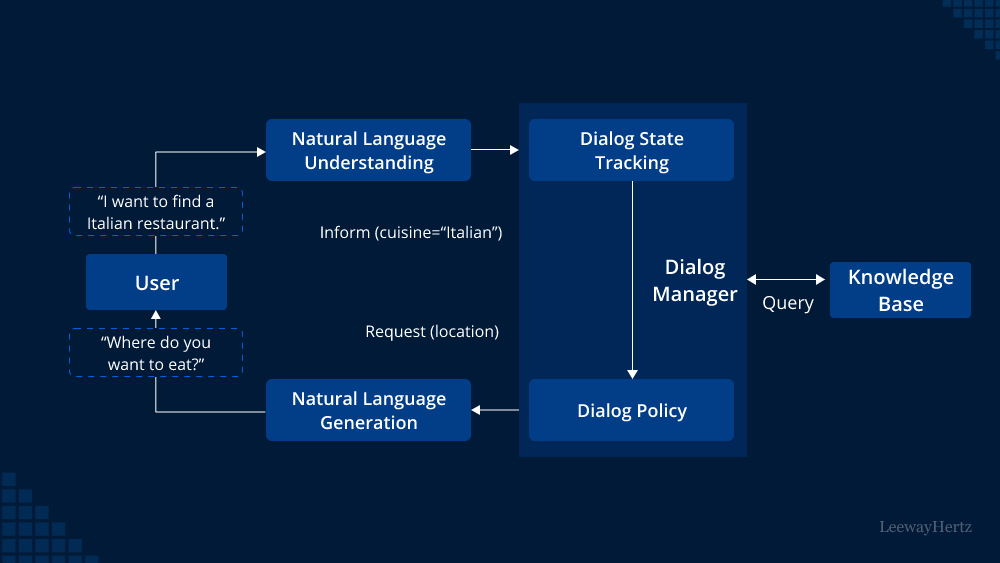
One of the primary use cases of transactional chatbots is in customer support. These chatbots can be integrated into a company’s website or mobile app, allowing customers to interact with them in real-time. Transactional chatbots use natural language processing (NLP) algorithms to understand user queries and provide relevant responses promptly. They can assist customers with a wide range of inquiries, such as product information, order status updates, billing inquiries, and more. By offering quick and accurate responses, transactional chatbots improve customer satisfaction and reduce the burden on human support agents.
- Sales and Lead Generation
Transactional chatbots play a vital role in driving sales and generating leads for businesses. By engaging potential customers in personalized conversations, these chatbots can gather essential information about their preferences and needs. Based on this data, the chatbots can recommend products or services that align with the customer’s requirements, leading to increased sales conversions. Moreover, transactional chatbots can collect contact details and qualify leads, enabling sales teams to follow up with interested prospects efficiently.
- Appointment Scheduling and Reminders
For service-oriented businesses, managing appointments can be a cumbersome task. Transactional chatbots offer a convenient solution by automating appointment scheduling and reminders. Customers can simply interact with the chatbot to check the availability of appointments, book a slot, and receive automated reminders before the scheduled date. This not only saves time for both customers and businesses but also reduces the likelihood of missed appointments.
- E-commerce and Payment Processing
In the e-commerce industry, transactional chatbots are invaluable for facilitating seamless shopping experiences. Customers can use chatbots to browse product catalogs, compare prices, and make purchases directly through the chat interface. Additionally, chatbots can securely handle payment processing, making the entire transaction process quick and efficient. By providing a frictionless purchasing process, transactional chatbots boost customer loyalty and drive repeat sales.
- Personal Finance and Banking
Transactional chatbots have found significant application in the finance and banking sectors. They can assist customers in managing their personal finances, such as checking account balances, tracking expenses, and setting budget goals. Furthermore, chatbots can help with routine banking tasks like fund transfers, bill payments, and account inquiries. The high level of security and privacy offered by transactional chatbots ensures that sensitive financial information remains protected.
- Travel and Hospitality
In the travel and hospitality industry, transactional chatbots are becoming increasingly popular. These chatbots can assist customers with travel bookings, hotel reservations, and flight information. Additionally, they can provide valuable travel tips, weather updates, and local recommendations to enhance the overall travel experience. By offering 24/7 support and personalized assistance, transactional chatbots elevate customer satisfaction in this highly competitive sector.
Conclusion
Transactional chatbots have opened up a new realm of possibilities for businesses across various industries. Their ability to handle transactions, resolve queries, and provide personalized assistance has transformed the way companies interact with their customers. From streamlining customer support and driving sales to simplifying appointment scheduling and enabling secure payment processing, transactional chatbots offer numerous benefits to both businesses and customers. As AI technology continues to advance, we can expect transactional chatbots to play an even more significant role in shaping the future of customer engagement and service delivery.
To Learn More:- https://www.leewayhertz.com/train-transactional-chatbot-using-reinforcement-learning/

 Jasper's Video Blog
Leave a comment