The advancements in artificial intelligence (AI) have revolutionized the way businesses interact with their customers. One of the most popular applications of AI is the development of chatbots – computer programs designed to simulate human conversation. AI-powered chatbots offer businesses a cost-effective and efficient way to engage with their customers, providing personalized support and instant responses. In this article, we will explore the step-by-step process of building an AI-powered chatbot.
Step 1: Define the Chatbot’s Purpose and Scope
The first and foremost step is to clearly define the purpose and scope of your chatbot. Identify the specific tasks and interactions you want the chatbot to handle. Whether it’s customer support, lead generation, or providing information, a well-defined purpose will guide the development process and ensure the chatbot’s effectiveness.
Step 2: Choose the Right AI Platform
Selecting the appropriate AI platform is crucial for the success of your chatbot. There are several options available, such as Google’s Dialogflow, Microsoft Azure Bot Services, and IBM Watson Assistant. Consider factors like ease of integration, natural language processing capabilities, and scalability to choose the platform that best suits your needs.
Step 3: Design the Chatbot’s Conversational Flow
A user-friendly conversational flow is essential for an effective chatbot. Create a flowchart to outline different scenarios and user inputs. Anticipate user queries and design responses that are clear, concise, and conversational. Ensure your chatbot can handle variations in user input and provide appropriate responses.
Step 4: Train the AI Model
The AI-powered chatbot relies on machine learning algorithms to understand and respond to user queries. To achieve this, you need to train the AI model with relevant data. Use existing customer interactions, support tickets, and frequently asked questions to create a training dataset. This data will help the chatbot learn and improve its responses over time.
Step 5: Implement Natural Language Processing (NLP)
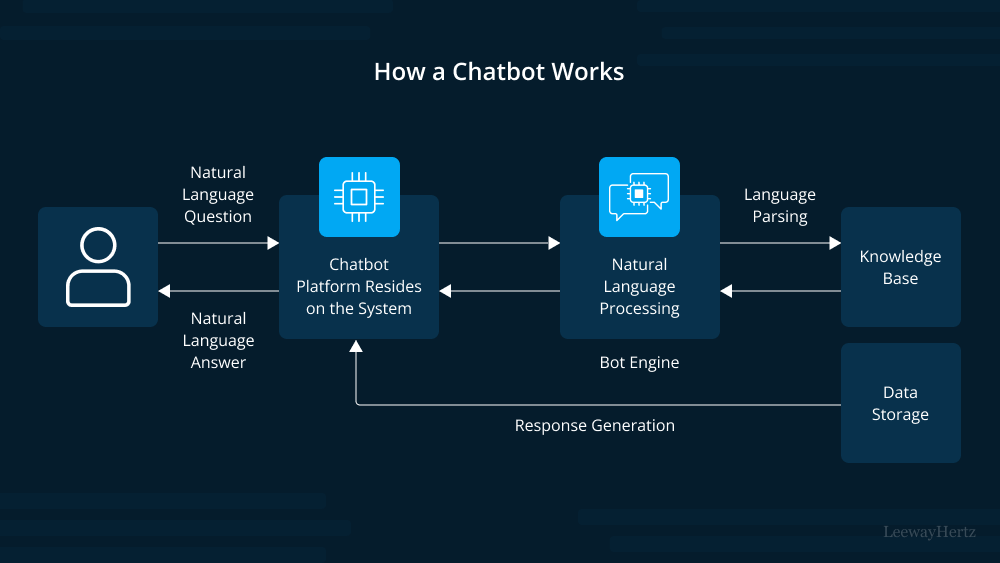
Natural Language Processing (NLP) is a key component of any AI-powered chatbot. It enables the chatbot to understand and interpret user language, making interactions more human-like. NLP helps the chatbot extract intent and entities from user messages, ensuring it provides accurate and contextually relevant responses.
Step 6: Integrate APIs and External Services
To enhance your chatbot’s capabilities, consider integrating it with external APIs and services. For example, you can connect your chatbot to your CRM system to access customer data, or to a knowledge base to provide detailed information on specific topics. These integrations add value and make your chatbot a powerful tool for users.
Step 7: Test and Refine
Before deploying your chatbot, thoroughly test its functionality and performance. Conduct real-world simulations to identify and rectify any issues or errors. Pay attention to user feedback and continuously refine the chatbot’s responses to improve user experience.
Step 8: Monitor and Maintain
Once your chatbot is live, it is essential to monitor its performance regularly. Analyze user interactions, track success metrics, and identify areas for improvement. Maintain the chatbot by updating its training data, refining its responses, and adding new features as necessary.
Conclusion
Building an AI-powered chatbot can significantly enhance your business’s customer engagement and support capabilities. By following the step-by-step guide outlined above, you can create a chatbot that offers personalized, efficient, and seamless interactions with your customers. Keep in mind that the development process is an ongoing journey of improvement and refinement. Embrace user feedback, leverage advancements in AI technology, and continually update your chatbot to stay ahead in the competitive business landscape. With the right approach and dedication, your AI-powered chatbot can become a valuable asset for your business’s growth and success.
To Learn More:- https://www.leewayhertz.com/ai-chatbots/

 Jasper's Video Blog
Leave a comment