Machine Learning (ML) applications have become increasingly prevalent in various industries, from finance and healthcare to e-commerce and entertainment. Building a successful machine learning app can be a challenging but rewarding endeavor. In this article, we will guide you through the essential steps to create your own machine learning app.
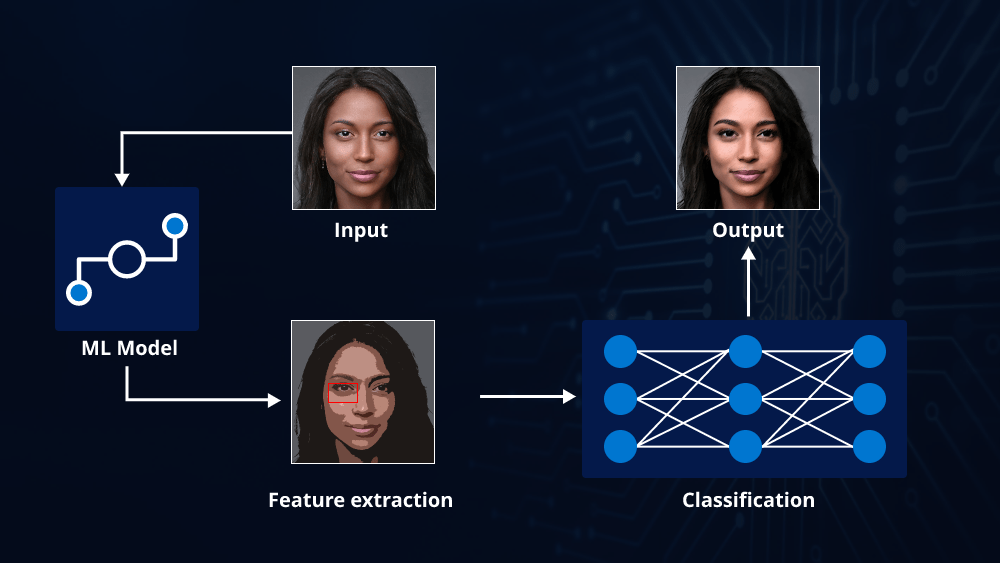
- Define the Problem and Objective:
The first step in building a machine learning app is to clearly define the problem you want to solve and the objectives you wish to achieve. This involves understanding the target audience, their pain points, and how machine learning can provide a solution. Establishing a well-defined problem statement will guide the development process and ensure you stay focused on the app’s purpose. - Data Collection and Preprocessing:
Data is the lifeblood of any machine learning application. Gathering relevant and sufficient data is crucial for model training and validation. Depending on your app’s purpose, you may need structured data, images, text, or a combination of different data types. Ensure that the data is clean, organized, and properly labeled to avoid biases that could negatively impact the model’s performance. - Selecting the Right Machine Learning Algorithm:
Choosing the appropriate machine learning algorithm is vital for the success of your app. Depending on your data type and problem complexity, you can opt for algorithms such as Decision Trees, Support Vector Machines, Neural Networks, or Deep Learning models. Research and experimentation are essential to find the best-fitted algorithm for your app. - Model Training and Evaluation:
Once you have collected and preprocessed the data and selected an algorithm, it’s time to train your model. Split the data into training and testing sets to evaluate the model’s performance accurately. Use performance metrics like accuracy, precision, recall, and F1-score to assess the model’s effectiveness. Iteratively fine-tune your model to enhance its performance. - Building the App:
With a trained and evaluated machine learning model, it’s time to integrate it into your application. Depending on your preferences and expertise, you can build the app from scratch using programming languages like Python, Java, or JavaScript, or leverage machine learning frameworks and libraries such as TensorFlow or PyTorch. Ensure that the app’s user interface is intuitive and user-friendly. - Deployment:
Deploying your machine learning app requires careful consideration of factors like scalability, security, and performance. Cloud-based deployment platforms, such as Amazon Web Services (AWS) or Microsoft Azure, offer scalable solutions for hosting machine learning models. Ensure that your app’s infrastructure can handle varying levels of user traffic and data load. - Continuous Monitoring and Improvement:
The work doesn’t end once your machine learning app is live. Continuous monitoring is necessary to ensure the app’s optimal performance, detect any anomalies, and address potential issues promptly. Collect feedback from users to understand their experience and identify areas for improvement. Regularly update and enhance your app to stay relevant and competitive in the market. - Privacy and Ethical Considerations:
Machine learning apps often deal with sensitive user data, so it’s crucial to prioritize privacy and data security. Implement encryption, anonymization, and other security measures to protect user information. Additionally, be transparent about how the app uses data and obtain necessary user consent. Consider the ethical implications of your app’s decisions and predictions to avoid biases and unfair treatment.
In conclusion, building a machine learning app involves a systematic approach, from defining the problem to deploying the final product. It requires a deep understanding of the problem domain, proficiency in data handling and machine learning algorithms, and an eye for detail in the app development process. By following these steps and staying committed to continuous improvement, you can create a powerful and successful machine learning app that caters to your target audience’s needs while adhering to ethical and privacy standards.
To Learn More:- https://www.leewayhertz.com/how-to-build-a-machine-learning-app/

 Jasper's Video Blog
Leave a comment